Is This Your Dog?
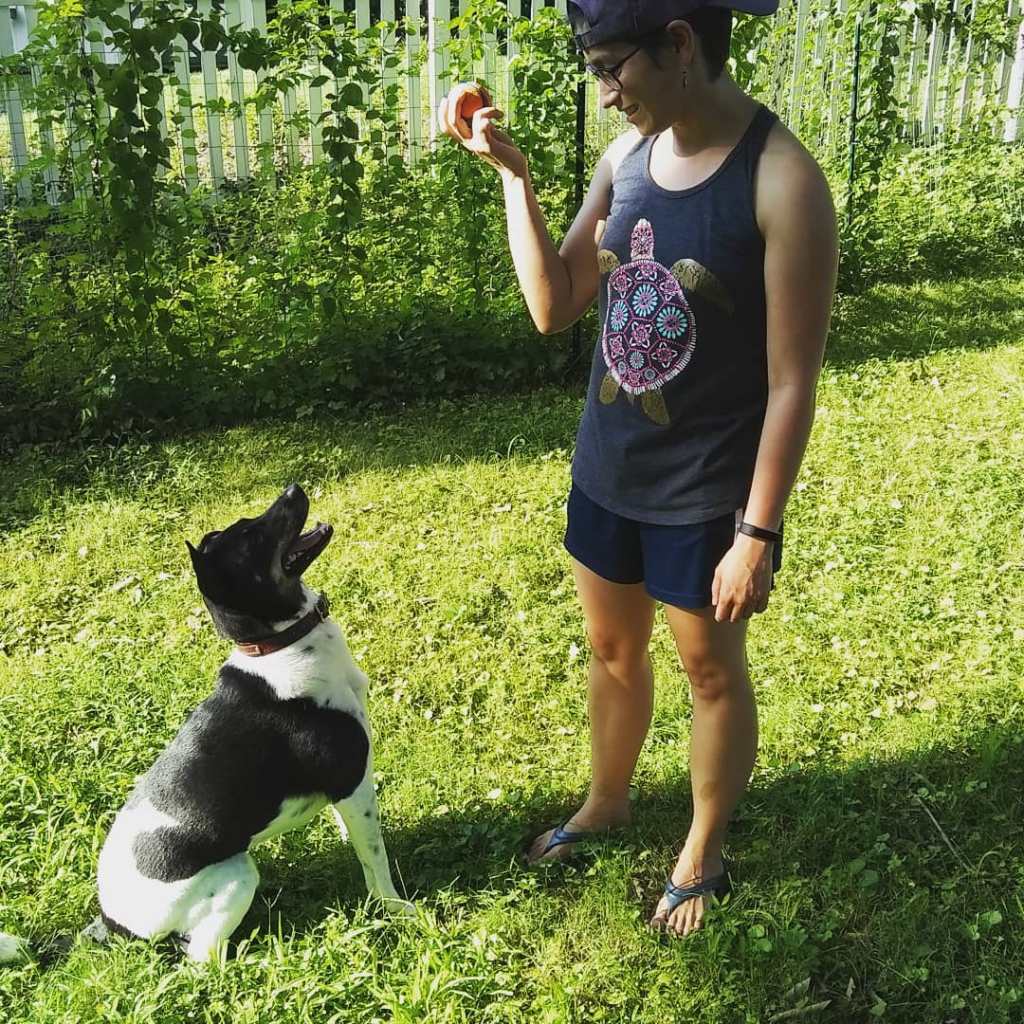
Mel & Aaron specialize in providing positive methods in-home care for shy/anxious, special needs, and elderly dogs. Positive methods means that we go at your pet’s pace! We use careful observation of your pet’s body language, positive reinforcement like praise and treats, and gentleness, curiosity, and empathy about your pet’s experience in order to set your dog at ease and meet their needs.
Our clients include:
- Dogs with leash reactivity, who need to be carefully managed on walks
- Dogs with resource guarding behaviors, who need to be carefully managed around other pets or people
- Dogs with anxious or fearful behaviors
- Dogs with a history of trauma
- Pets with special medical needs
Does this describe your pet? Read on for stories of our positive methods dog sitting in action with clients like you!
- Fred: Anxious & slow to warm up
- Luna: Leash reactivity
- Evie: Afraid of loud noises
- Klaus: Afraid of his leash
- Ruby: Resource guarding
- Bruno: Severe separation anxiety
- Lima: History of trauma & limited touch tolerance
- Panda: Bite history
- Rosie: Eyedrops for glaucoma
- Maisie: Insulin injections
- Leya: Sensitive stomach
- Lightning: Blindness
Fred: Anxious & slow to warm up

Meet Fred! Fred is selective about her new friends. When we first met Fred, she expressed lots of discomfort through shy and anxious body language (ears back, tail tucked, licking lips, hesitant to approach). Her dads were worried we’d be scared of her barking, but we understood Fred was just expressing big feelings.
We went at Fred’s pace, offering lots of treats and relaxed presence, and letting Fred take the lead in our relationship. Now we can’t get Fred off the couch with us.
If your dog is like Fred, they’re in good company. Fred is just one of our many clients who need slow, thoughtful introductions to new people!
Luna: Leash reactivity

Meet Luna! Luna is absolutely head-over-heels with any person she meets, but she’s not a fan of other dogs. When Luna catches sight of another dog on leash, she barks, lunges, and pulls. This is because Luna is both overly excited and frustrated all at once! We support Luna getting the exercise she needs without the frustration through careful and proactive anticipation and redirection of possible triggers, using high value treats, distraction, and visual barriers to help Luna be her best self.
If your dog is like Luna, they’re in good company. Luna is just one of our many clients who need a little extra attention when on leash!
Evie: Afraid of loud noises

Meet Evie! Evie is a Plott Hound with a heart of gold — and a country girl who isn’t accustomed to city life and city noises. A loud motorcycle, thunder, or dump truck slamming a garbage can down one street away can really ruin Evie’s day — and when Evie is scared, she hides, shakes, and can even pull you all the way home on leash.
We support Evie with gentleness and understanding, keeping an attentive eye out for possible triggers we can avoid when on walks and offering Evie a calm, loving presence when she’s scared.
If your dog is like Evie, they’re in good company. Evie is just one of our several clients who are afraid of loud noises!
Klaus: Afraid of his leash
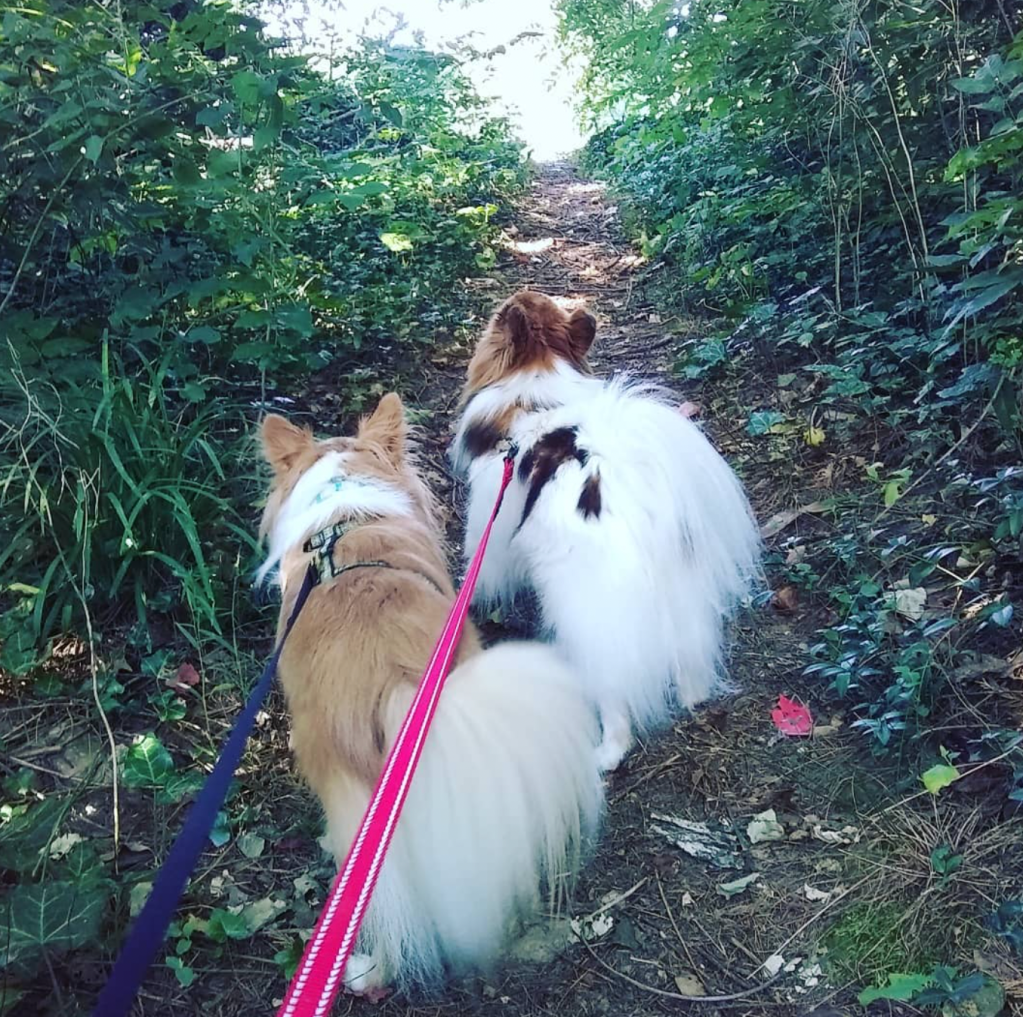
Meet Klaus! Klaus is a sweet old man with one funny quirk: he loves walks but is afraid of his leash! We worked closely with Klaus’s mom to learn his routine and what worked for him so we could safely leash him for his very favorite thing while his parents were away.
If your dog is quirky like Klaus, they’re in good company. Klaus is just one of our several clients with special quirks!
Ruby: Resource guarding
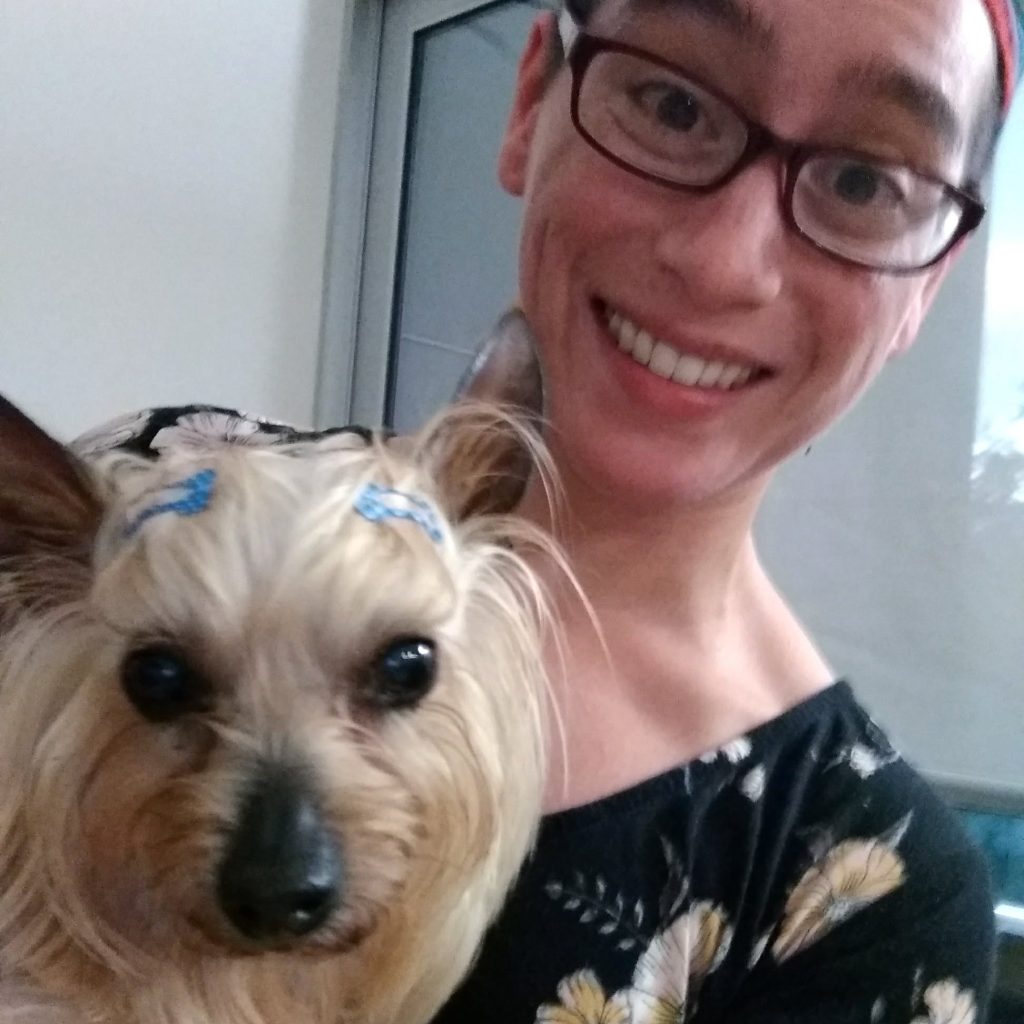
Meet Ruby! Ruby is the dog who started it all and inspired us to offer our services specifically for shy/anxious, special needs, and elderly dogs.
When we first met Ruby, she wasn’t terribly interested in touch and could be quite picky about who she allowed to pick her up, and when. So it was important for us to gain her trust as we needed to carry her down a flight of stairs in order to take her outside!
Ruby also engaged in some resource guarding behaviors with her sister Puffy, particularly in regards to space and people. We worked closely with Ruby and Puffy’s mom to make sure we knew how to support them in coexisting peacefully, and how to safely separate them when needed.
Last but not least: Ruby took a daily pill as well as liquid medication that we administered using a syringe to squirt it into her mouth. We made sure to keep Ruby’s mom up-to-date about how she was doing with lots of daily text updates and pictures!
Bruno: Severe separation anxiety

Meet Bruno! Bruno’s loving parents rescued him from a shelter after he had experienced many years as an outdoor-only dog. Bruno also came to them with a likely history of having been physically abused. Once in a safe home with them, Bruno developed severe separation anxiety, which, for him, meant he was highly distressed and destructive when left home alone.
Bruno’s family was working with a positive-methods trainer (our friend Valerie at Dog Training by Valerie) on a positive methods protocol to SLOWLY reduce Bruno’s severe separation anxiety and fearful behaviors. And Valerie recommended us (Tita’s Dog Sitting) as someone who could help support Bruno and his parents with Daytime Care on this journey!
If your dog is like Bruno, you’re not alone. We’re experienced in helping support dogs who are working with a positive methods trainer on severe separation anxiety, and ready to help you stick to a training plan!
Check out our Services to compare our Daytime Care vs. 24-Hour Companionship Care Offerings. Availability may vary.
Lima: History of trauma & limited touch tolerance
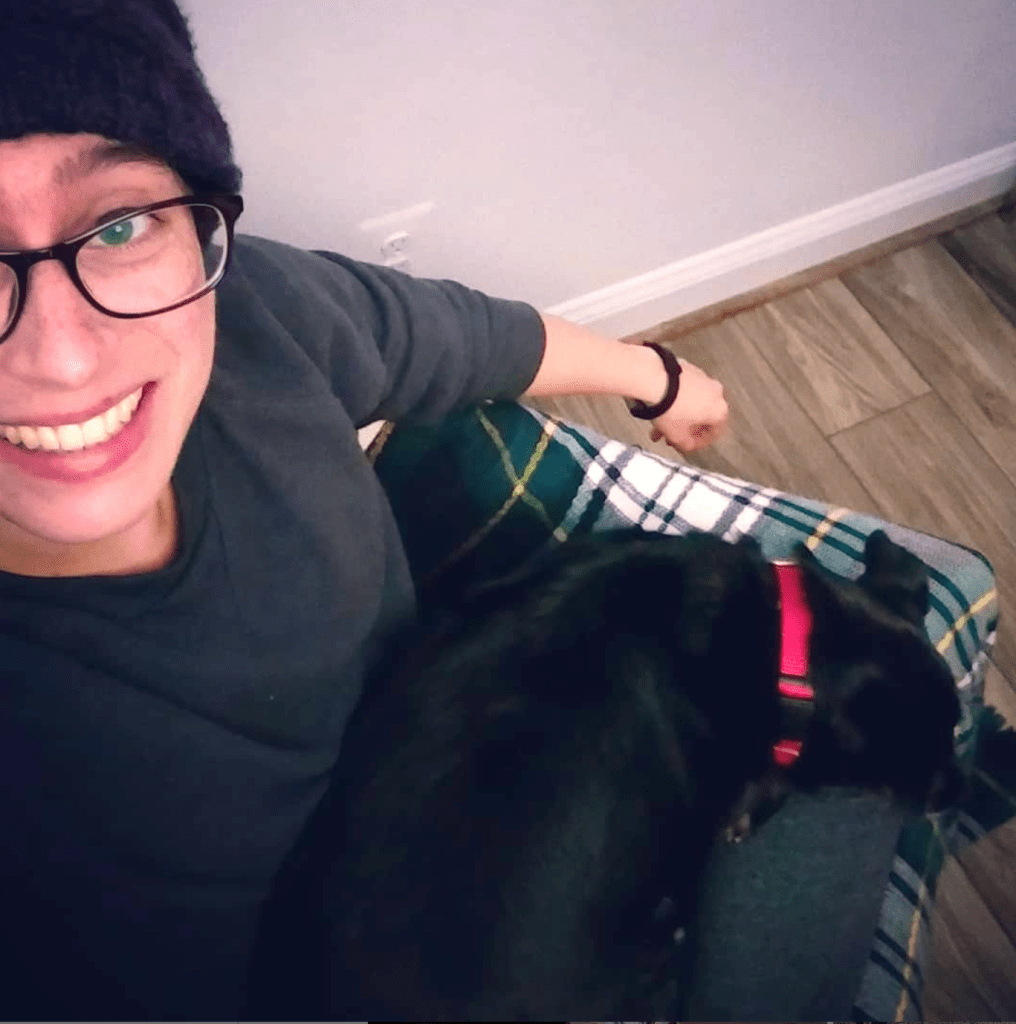
Meet Lima! Lima’s loving mom rescued her from a shelter after Lima experienced confirmed extreme physical abuse. Lima’s history of trauma with people contributed to ongoing post-traumatic stress symptoms and fearful behaviors. Lima expressed lots of discomfort through shy and anxious body language (ears back, tail tucked, licking lips, hesitant to approach) as well as through more active warning signals (barking, growling, hackles raised, whale eye, and lifted lip). Most importantly — the only person who could touch Lima was her mom, and even Lima’s mom could only touch her very lightly and in certain areas.
We worked closely with Lima’s mom to make sure that we were going at Lima’s pace using extremely slow introductions with lots of high value treats, gentle use of the leash, and absolutely letting Lima take the lead in letting us know what her boundaries were and what she was comfortable with. Pictured here is a photo of Mel with Lima after Lima chose, on her own, for the very first time, to jump into Mel’s lap.
If your dog is like Lima, you’re not alone! We’re experienced in providing a high level of gentle patience, calm companionship, and careful attention to behavioral plans and the live data of your dog’s body language with us to make sure that your dog receives the love and attention they deserve even when their family is traveling without them.
Panda: Bite history

Meet Panda! Panda came to us with a story: He had broken away from his mom while out on a walk and made a beeline to a stranger, who he then bit in the butt. As you can probably guess, Panda has big feelings about new people, and gets extra amped when he’s on leash.
Panda’s mom was working with a positive methods trainer to help her better manage his fearful behaviors, and we stepped in to help with both Daytime and Overnight Care while Panda’s mom went on a trip!
When we first met Panda, Panda expressed lots of discomfort through shy and anxious body language (ears back, tail tucked, licking lips, hesitant to approach) as well as through more active warning signals (barking, growling, hackles raised, whale eye, and lifted lip).
We worked closely with Panda’s mom to make sure that we were going at Panda’s pace using extremely slow introductions with lots of high value treats — following their trainer’s guidelines — and absolutely letting Panda take the lead in letting us know what his boundaries were and what he was comfortable with. We also supported Panda on walks through careful and proactive anticipation and redirection of possible triggers, using high value treats, distraction, and visual barriers to help Panda be his best self.
Rosie: Eyedrops for glaucoma

Meet Rosie! Rosie had just been prescribed new daily eyedrops when we first met her, and Rosie was NOT a fan. But these eyedrops were really important for her to take because she had recently been diagnosed with glaucoma.
We worked closely with Rosie’s mom to learn Rosie’s eye drops routine and the things Rosie’s mom was doing to try and reduce Rosie’s stress / make eyedrops a positive experience, including only administering the eyedrops in one, predictable place, administering them quickly and calmly, offering Rosie high value treats and effusive praise after each eye drop, and celebrating with more treats after a successful eye drop administration!
Maisie: Insulin injections
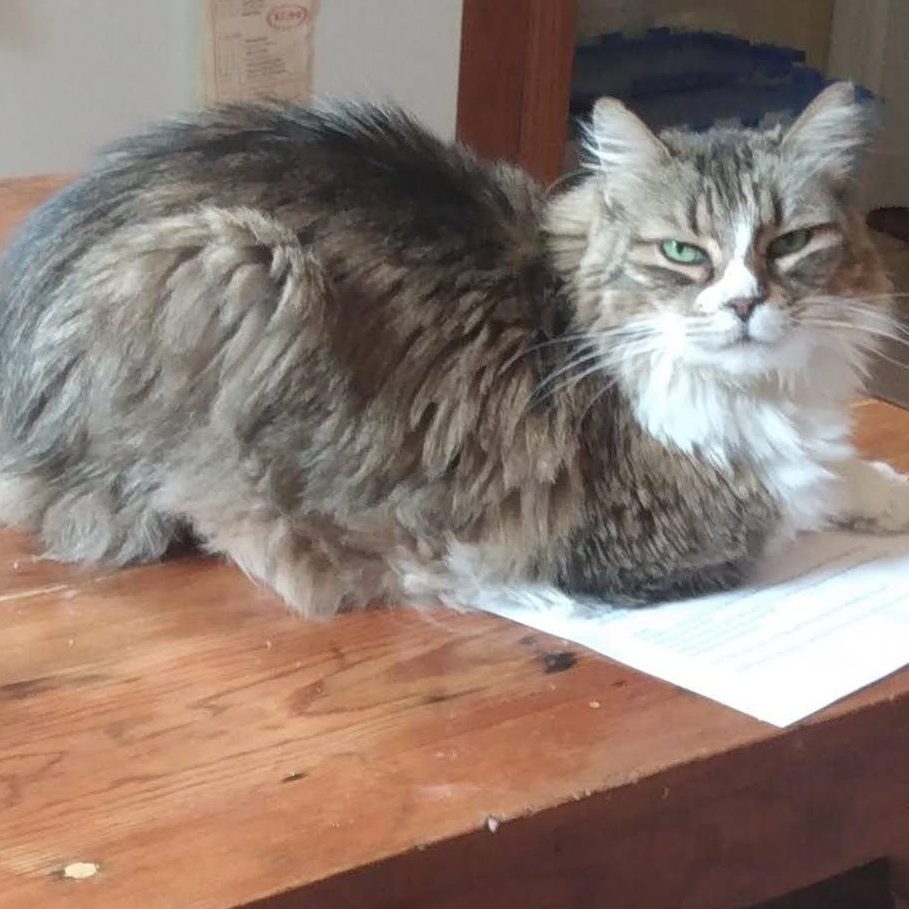
Meet Maisie! We first met Maisie while dog sitting for her brother Toby, a sweet and gentle hound mix. When Maisie was diagnosed with diabetes, Maisie’s mom needed someone who could administer her once-daily insulin injections with reliability, attention to detail, gentleness, and positive methods.
We worked closely with Maisie’s mom to learn exactly how to administer Maisie’s daily insulin shot in the skin between her shoulder blades while distracting Maisie with her wet food. We also carefully followed Maisie’s mom’s instructions for filling and disposing of the syringes, and kept Maisie’s mom informed about how she was doing.
Leya: Sensitive Stomach
Meet Leya! Leya has a very sensitive stomach. She needs to eat regularly in order to manage her acid reflux, but sometimes her acid reflux makes it hard for her to eat. It’s a tough cycle!
We worked closely with Leya’s mom to make sure that Leya still got exactly what she needed even while her mom was away. We got VERY familiar with all of the rumbles and grumbles Leya’s stomach could give off; we learned when to try giving Leya an antacid or a little squirt of chicken broth in her mouth using a syringe, just to get her going; and we religiously followed Leya’s meal plan of sweet potatoes and roast turkey. We even learned that sometimes Leya wouldn’t eat a meal but that she’d happily eat “snack turkey” hidden in her dog puzzle gameboard.

Lightning: Blindness

Meet Lightning! Lightning lost her vision due to neurological damage after an accident, but never lost her zest for adventure. We worked closely with Lightning’s mom to learn how to support Lightning at home and on the hikes she still loved taking with lots of patience, familiar routes and routines, and voice signaling.

